When Your Mushroom Coffee Tastes Bad (and What That Means)
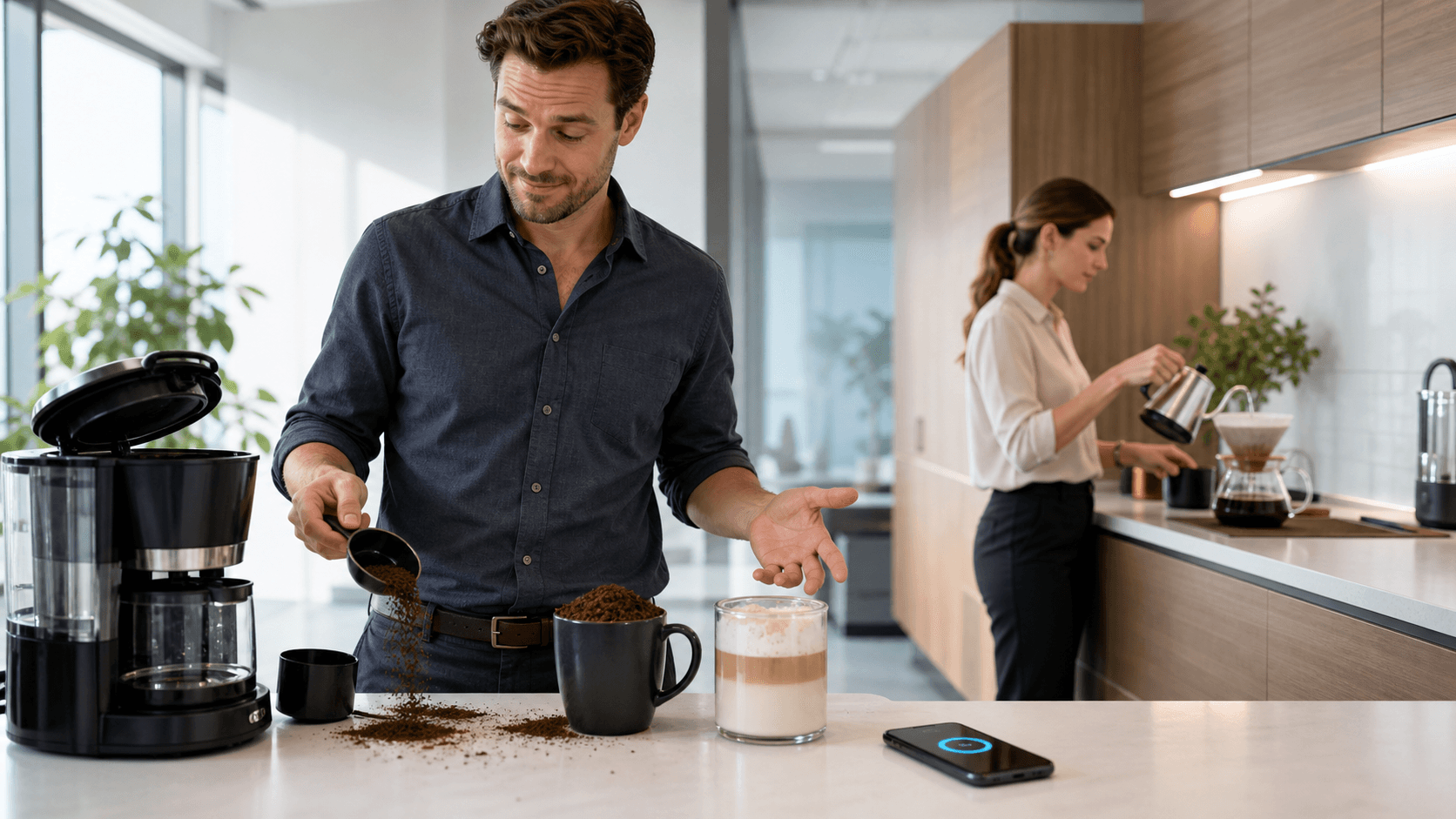
Bad mushroom coffee is a rude way to start the day. You were aiming for a better-tasting, more intentional cup, and instead got a mug that tastes muddy, bitter, or weirdly sweet. A lot of people give up right there and decide mushroom coffee is just gross.
We do not buy that. Good mushroom coffee should taste like real coffee first, with the functional layer built in quietly. It should feel like a normal part of your morning, not like choking down a supplement pretending to be a latte.
This guide is a no-BS checklist for fixing bad cups. We will walk through roast level, mushroom extract form and dose, brew method, water quality, and grind freshness. Late summer is a solid time to tune things in, before fall hits and your morning routine gets locked in for the colder months.
Stop Blaming the Mushrooms for Every Bad Cup
Most "mushroom coffee" is simply two things put together: coffee plus mushroom extract. On top of that, some brands toss in extra nootropics, adaptogens, flavors, and sweeteners. When the cup tastes off, mushrooms get blamed first.
In reality, the usual flavor villains are:
- Low-grade instant coffee that already tastes flat or burnt
- Heavy flavor maskers, like fake vanilla or "mocha" dust
- Cheap sweeteners that leave a syrupy aftertaste
- Overdosed, low-quality mushroom extracts
Mushrooms themselves are mostly earthy, nutty, or slightly bitter. The exact flavor depends on the type and how they are extracted. A few quick basics, without the health hype:
- Fruiting body vs mycelium: Fruiting-body extracts usually taste cleaner and more "mushroomy," mycelium on grain can taste more starchy.
- Hot-water vs alcohol extracts: Hot water pulls out more earthy, broth-like notes, alcohol can add a sharp or boozy edge if it is not handled well.
- Single species vs blends: Single types are easier to taste and control, blends can get muddy if the coffee is weak.
The real fix is simple: start with better coffee, then choose smarter extract forms and doses. When the base is high quality and the functional layer is measured, the flavor gets cleaner and more drinkable.
Roast Level Rules: Why Your Coffee Tastes Burnt or Thin
Roast level is one of the most common reasons mushroom coffee tastes bad. Even before mushrooms enter the mug, roast can make a cup taste burnt, sour, or hollow.
Here is how roast levels usually feel:
- Light roast: Brighter, more acidic, more complex. If the beans are low quality, that brightness becomes sharp and sour, which can clash hard with earthy mushroom notes.
- Medium roast: Balanced sweetness, body, and clarity. This is usually the sweet spot for whole bean mushroom coffee, because it has enough body to support mushrooms without turning harsh.
- Dark roast: Smoky, bitter, sometimes "ashy." Dark can be used to cover bad beans or strong mushroom flavors, but that often gives a harsh, medicinal-tasting brew.
Mushrooms bring earthy and umami tones. In a balanced medium roast, those notes can round out the cup and add depth. In a very dark roast, they can pile on to the smoke and make the coffee taste like burnt herbs. In a super light roast, they can fight with citrusy, sour notes and push the cup into "green" territory.
Troubleshooting roast:
- Harsh, ashy, or "charred" taste? You are likely dealing with over-roasted or stale coffee, not the mushrooms.
- Sour, sharp, or "green" taste? The roast may be too light, underdeveloped, or under-extracted when you brew.
For most people, the fix is to choose high quality specialty beans with a medium or medium-dark profile. That range is more forgiving, especially when you are blending in functional ingredients.
Get the Dose and Form Right or Ruin the Cup
You can wreck beautiful coffee with one mistake: way too much extract in the wrong form. It happens all the time with lion's mane, chaga, and reishi. A big scoop of powder might sound like "more is better," but to your taste buds it can read as bitter, dirty, or oddly sharp.
Common extract forms and how they taste:
- Bulk mushroom powders: Easy to toss in, but often chalky and dusty. If the brew is not hot or strong enough, they clump and sit on top or at the bottom.
- Liquid drops and syrups: Simple to dose, but can bring along sweetness, stickiness, or alcohol notes that fight with coffee.
- Standardized tablets or concentrated formats: More controlled, so you can repeat the same flavor every morning and adjust without turning your mug into mushroom sludge.
Practical dose mindset: you want enough functional ingredients to be present in the cup, but not so much that the coffee itself disappears. One smart way to do that is to keep coffee and functional ingredients modular. For example, pairing whole beans with separate tablets lets you:
- Keep the coffee profile clean
- Adjust the functional strength day to day
- Avoid products that cram every powder under the sun into one packet
If your mug has thick sediment, a chalky mouthfeel, or "mushroom soup latte" vibes, that is a clear sign your form or dose is off. Often the product is simply trying to do way too much in one scoop.
Brew Method, Water, and Grind Freshness Make or Break It
Even great whole bean mushroom coffee will taste off with the wrong brew method and water. These basics matter more than most people think.
How brew methods shape flavor around mushrooms:
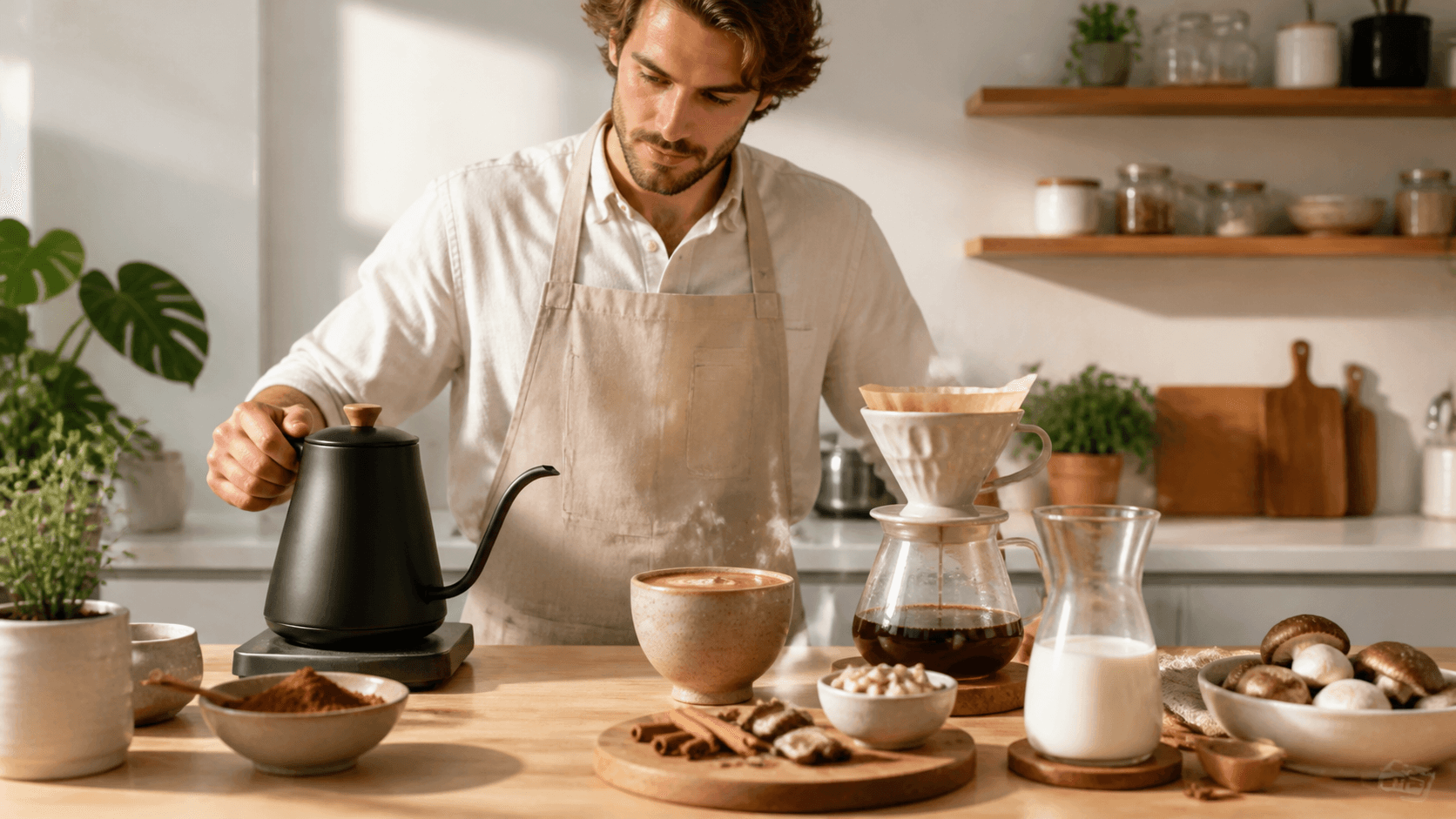
- Drip and pour-over: Cleaner and more precise. Great when you have good beans and a balanced mushroom dose, because you can taste subtle sweetness instead of just earth.
- French press: More body and oils. This can be excellent if your coffee is clean and freshly ground, but it will also amplify any mud or bitterness.
- Single-serve pods and instant: Convenient, but often stale and flat. That dead base does not play well with delicate functional ingredients.
Water is another big piece:
- Very hard water can taste chalky and flat, making bitterness and "metallic" notes stand out.
- Very soft or distilled water can pull too fast, giving you sharp, sour cups with no sweetness.
- A simple fix is to use filtered water and brew just off the boil, around 195 to 205°F, for most methods.
Then there is grind freshness:
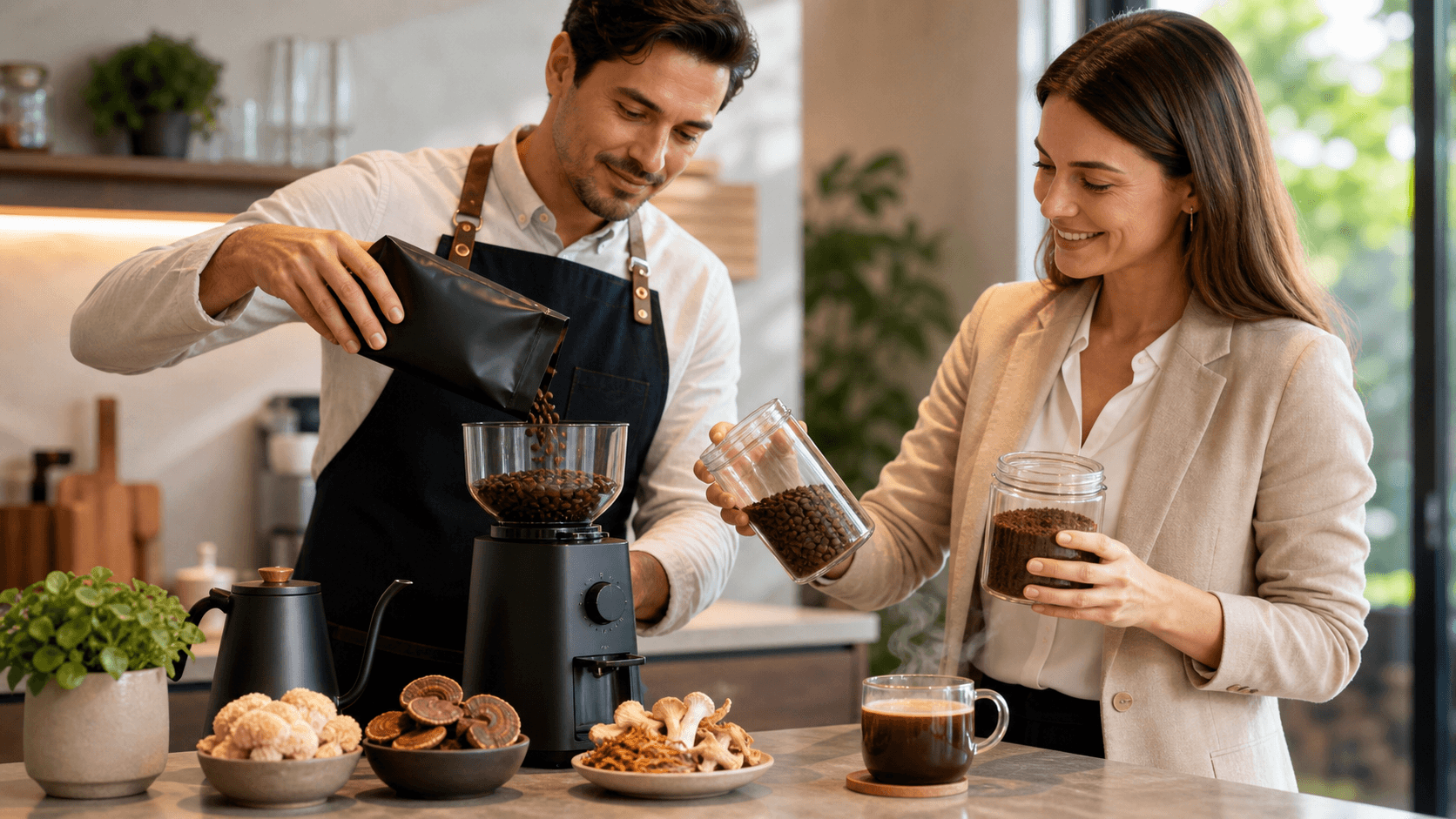
- Whole bean mushroom coffee keeps delicate aromatics locked in until you grind.
- Pre-ground coffee mixed with functional powders goes stale faster, which exaggerates bitterness and odd earthy notes.
- Grinding right before brewing tightens everything up, giving you more sweetness, body, and clarity, even with mushrooms in the mix.
If every cup tastes dull or bitter no matter what you do, and you are using pre-ground blends, this is probably your main problem.
Build a Morning Ritual That Actually Tastes Good
When you put all of this together, mushroom coffee stops feeling like a chore. Quality beans, a smart roast choice, a sane mushroom dose, a solid brew method, good water, and fresh grinding turn "just get it down" into a cup you actually enjoy.
Here is a simple checklist to reset your setup this week:
- Start with specialty whole beans that are meant to pair with functional ingredients.
- Stick to medium or medium-dark roasts for balance and easier drinking.
- Use measured, standardized functional tablets or forms instead of random scoops of powder.
- Brew with filtered water and a repeatable method like drip, pour-over, or French press.
- Grind fresh for every cup.
A whole bean mushroom coffee setup built around these principles keeps real specialty coffee in the spotlight, keeps functional add-ons modular, and gives you the control to dial in your ritual one small shift at a time. As summer winds down and you settle into tighter routines, it is a good moment to audit your current mug and rebuild a morning ritual that earns its place on your counter.
Elevate Your Daily Coffee Ritual With Functional Flavor
Experience how our carefully crafted whole bean mushroom coffee can transform your mornings with richer flavor and focused energy. At Bywaqa, we pair quality beans with functional ingredients so your cup supports both taste and wellness. If you have questions about which grind or brew method is right for you, feel free to contact us for personalized guidance.