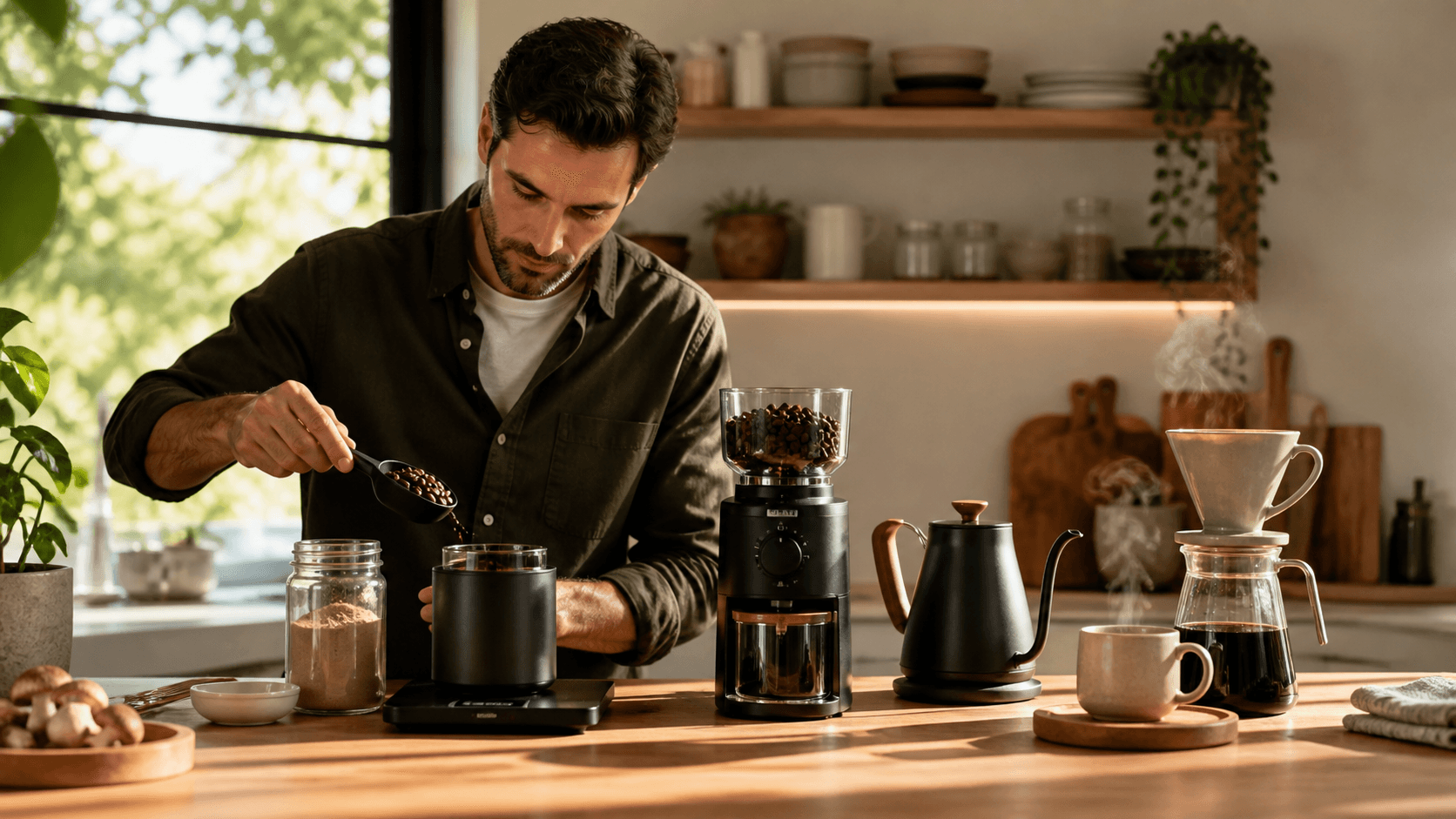
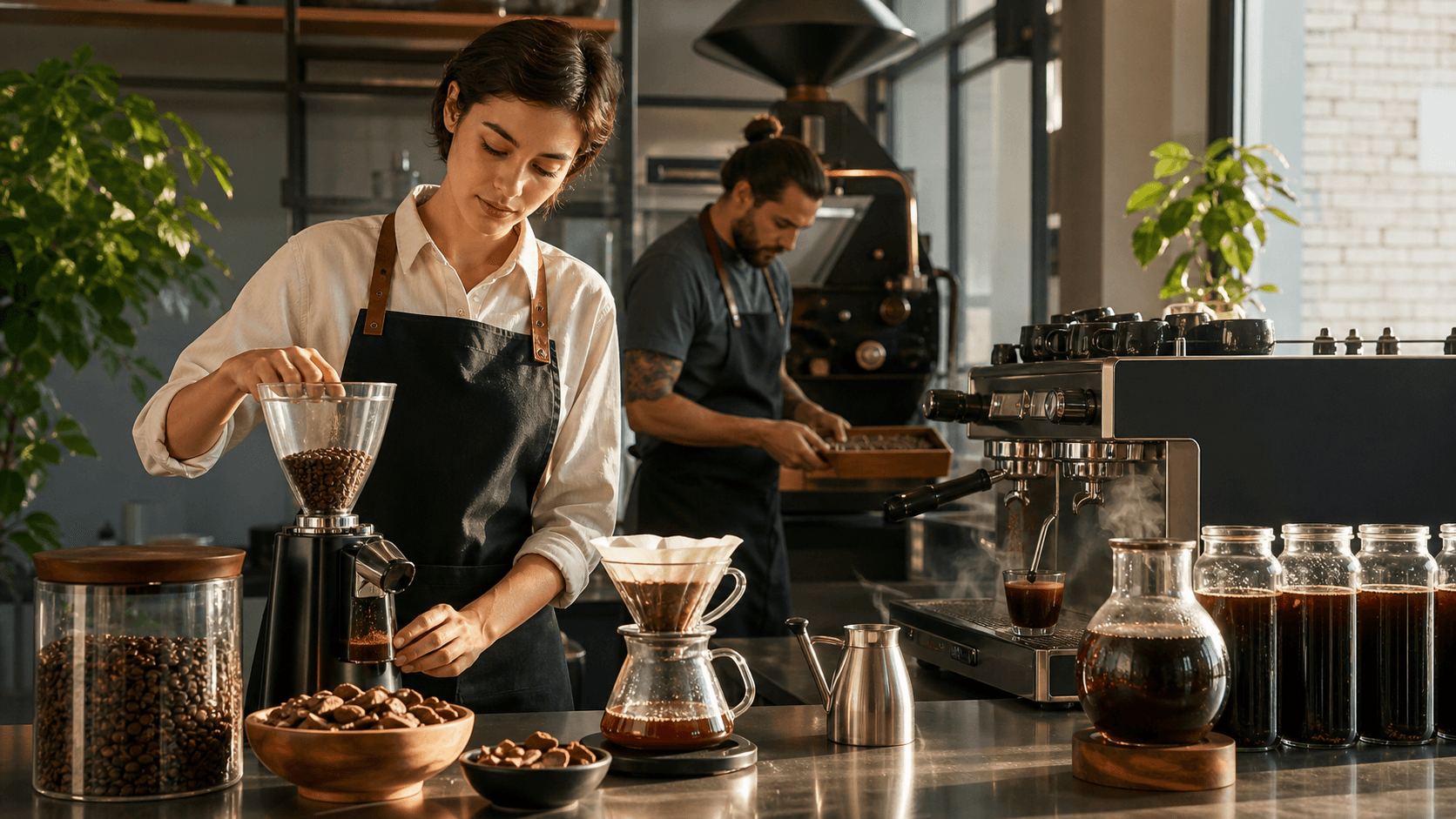
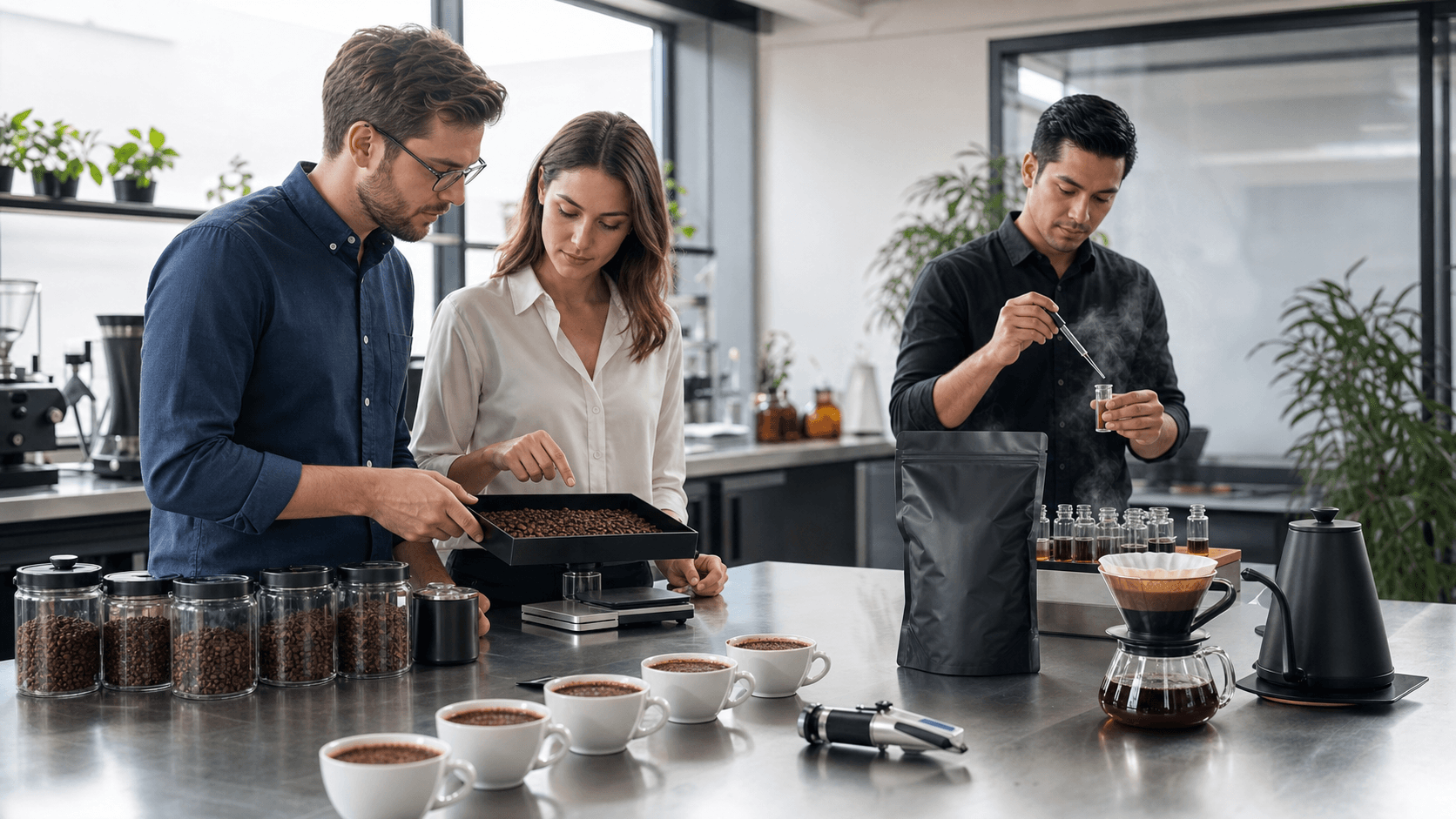
Why Fresh Grinding Is the Real Functional Upgrade
Fresh grinding is the detail that flips the switch on your cup. Coffee people obsess over grind size, bloom, and extraction, but almost never talk about what that means when you add functional ingredients like mushrooms and adaptogens. That gap is where a lot of flavor and usable compounds get lost.
On one side, you have specialty coffee culture: grinders, scales, precise recipes. On the other, the usual "dump a scoop of instant functional powder into hot water and hope for the best." These two worlds rarely meet, even though they should. Once you grind, the chemistry of both coffee and functional add-ins shifts fast. If we ignore that timing, we waste aroma, taste, and some of what those ingredients bring to the cup.
Fresh grinding, oxidation, grind size, and brew method all shape what you taste. When we talk about fresh-ground functional coffee, we're talking about control and timing, and a daily ritual that earns its spot in your morning routine.
From Forest to Portafilter: How Coffee Got So Precise
Coffee started as a wild plant in the highlands of East Africa, moved through different cultures, and got more precise with each step. Early brews were rough and simple. Then came strong, unfiltered cups in coffeehouses. Later, pressurized espresso changed how we thought about grind size and extraction. Now we're in a phase where people care about every small detail.
Specialty coffee shifted the focus from just "strong coffee" to questions like:
- Where was it grown?
- What variety is it?
- How was it processed and roasted?
- How should we grind and brew it?
With single-origin Arabica and lighter roasts, you get more flavor detail, more clarity, and more control. The same mindset applies to functional ingredients. Mushroom species, adaptogen type, growing conditions, and processing all matter if we care about how they taste and what they contribute in the cup.
Fresh-ground functional coffee is the next logical step. Instead of treating functional ingredients like random powders on the side, we fold them into the same careful thinking we already bring to specialty coffee, from bean to grinder to brew.
What Really Happens When You Grind Coffee and Mushrooms
Grinding sounds simple: put beans in, get grounds out. The chemistry shift is bigger than it looks. When we grind, we explode the surface area of each bean and tablet. That gives water more contact with both the coffee and the functional ingredients, which is good for extraction, but it also exposes everything to oxygen.
Here's what kicks off the moment the grinder stops:
- Volatile aromatics rush into the air, which smells great but fades fast
- Oxygen starts reacting with delicate flavor compounds
- Some sensitive components in both coffee and functional ingredients start to break down
Oxidation is what turns cut apples brown. They taste duller and flatter. Coffee behaves the same way. Bright, sweet, complex notes get muted when grounds sit too long. Functional mushrooms and adaptogens can also change over time if they're pre-ground and stored for long periods.
Whole beans and intact tablets are more stable. Their surfaces are protected until the moment we grind. When we grind them together right before brewing, we start that chemistry clock on our terms. You get peak aroma, fuller flavor, and a broader profile of the compounds that define fresh functional coffee.
This is the core of fresh-ground functional coffee. It's not just about a stronger smell in the kitchen. It's about starting the brew with ingredients at their freshest, instead of asking them to perform after months of exposure.
Grind Size, Brew Method, and How Your Cup Changes
Grind size is the main control knob for how much we pull out of the coffee and the functional ingredients. Finer grinds extract faster and more intensely. Coarser grinds extract slower and usually taste cleaner. Match the grind to the brew method and the whole cup shifts.
Here's the simple map most people use:
- Espresso: fine grind, short contact time, bold and concentrated
- Pour-over: medium grind, balanced extraction, clear flavor
- French press: coarse grind, longer steep, heavier body
- Cold brew: extra-coarse grind, very long steep, smooth and low perceived acidity
When we add mushrooms and adaptogens, we want them ground to roughly the same size as the coffee. That way, water reaches both evenly. If functional tablets stay too coarse, they barely extract and a lot of potential ends up in the filter. Too fine, and they can over-extract, taste harsh, or leave sludge at the bottom of your cup.
For mid-summer heat, iced options make sense. Iced pour-over keeps a bright, clean profile while still giving you solid extraction from both coffee and tablets. Cold brew suits people who want smoother flavor and a big batch in the fridge. In both cases, grind size still matters, and fresh grinding just before brewing keeps the chemistry tilted in your favor.
The Problem With Most Functional Coffee on Shelves
Walk a store aisle and you'll see a lot of "functional coffee" options. Most of them fall into a few buckets:
- Instant coffee blends with functional powders
- Pre-ground coffee with added functional ingredients
- Creamers and flavored mixes with a long list of extras
The pattern is usually the same. Convenience wins, freshness loses. Pre-ground mixes sit exposed to oxygen for long periods, so flavor goes flat. Functional powders can clump or separate, so each scoop can be inconsistent. Labels are long, formulas try to cover too many bases at once, and actual brewing chemistry is often an afterthought.
When we grind whole beans and solid functional tablets together, a few things flip:
- You can see the ingredients you're using
- You choose the grind size for the brew method you like
- You control timing, dose, and repetition day after day
Fresh-ground functional coffee becomes a simple, intentional system instead of a scoop of mystery dust. It rewards attention and small tweaks rather than dangling big promises on a packet.
Build a Morning Ritual That Actually Sticks
A strong morning ritual doesn't have to be fancy. It just has to be repeatable and honest. Coffee is perfect for that when we stop treating it like background fuel and start treating it like a simple practice we can tighten up over time.
A basic framework looks like this:
- Pick one brew method and stay with it for a while
- Set a grind size that fits that method and stick to it
- Grind your beans and functional tablets fresh each time
- Notice how the cup tastes and how it fits your morning, then change only one variable at a time
Over a few weeks, that small set of choices turns into a stable rhythm. You wake up, you grind, you brew, you sip, and you know what to expect. It's less about chasing some big "wellness" story and more about building a clear, grounded moment at the start of the day.
At Bywaqa, we built our approach around that idea. Premium Arabica whole beans pair with functional mushroom and adaptogen tablets, designed to be ground together so everything hits the water at the same time. It keeps the ritual simple, focused, and rooted in straightforward chemistry, not noise.
Elevate Your Daily Ritual With Clean, Effective Energy
Experience how our fresh-ground functional coffee can turn your everyday cup into a consistent source of focus, clarity, and calm energy. At Bywaqa, we carefully craft each roast so you can feel the difference in both flavor and function. If you have questions about which blend fits your goals or how to get started, contact us and we will help you choose the right option.