Inside Premium Mushroom Coffee: From Farm Origin to Morning Ritual
Warm mornings show up first. The sun is already up when your alarm goes off, the air feels lighter, and the day stretches ahead. But your coffee is the same rushed cup you drink all winter; the same stale bag on the counter, the same jittery start that fades fast.
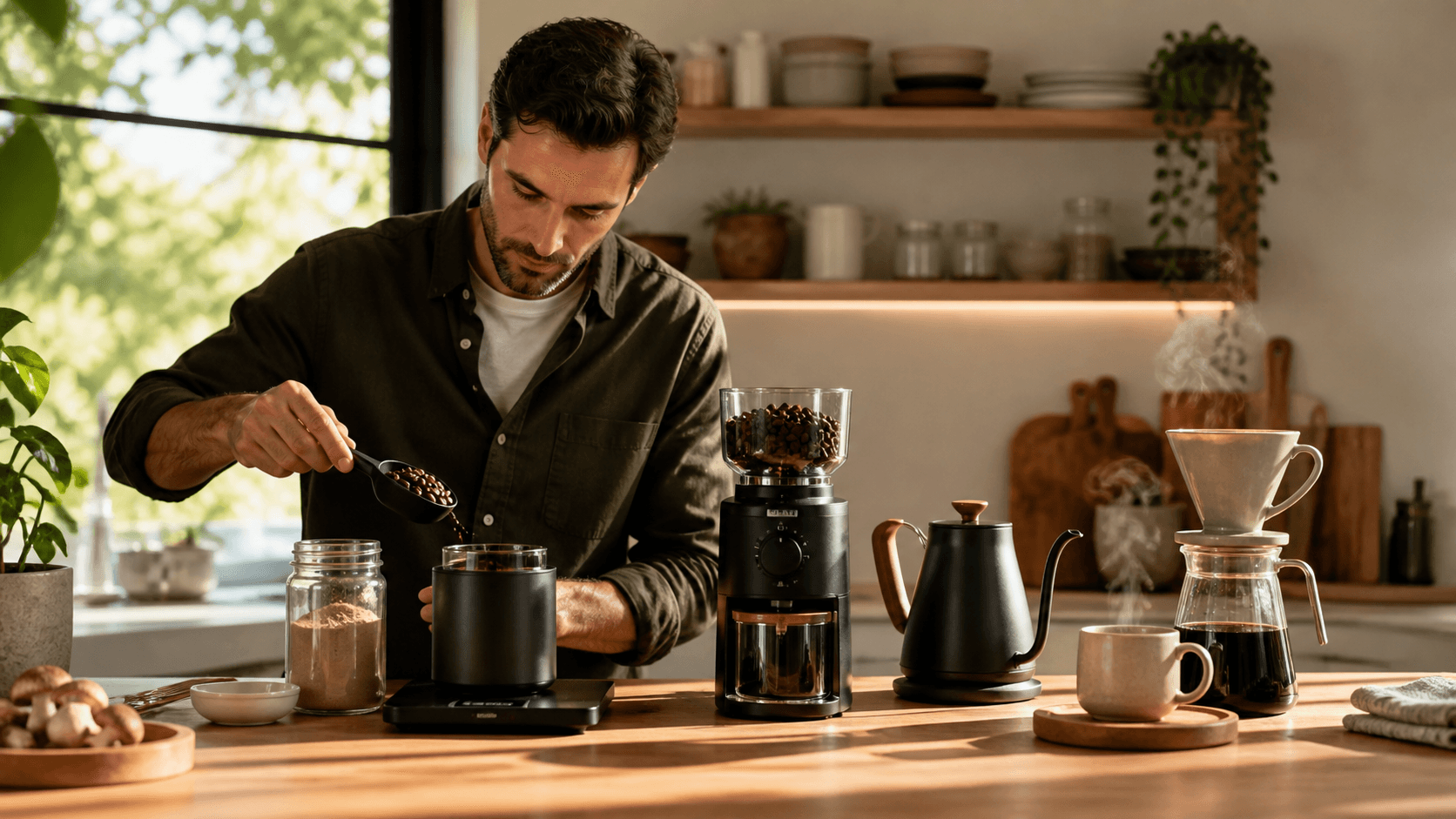
Upgrading your daily coffee can change that. Not as a flex and not as a wellness promise, but as a small, concrete choice: better beans, better grind, better cup. Mushroom coffee fits here when it respects both flavor and function, from where the beans are grown to the way you stand at your grinder in the quiet of the morning.
From Generic Cup to Ritual
Most people want three simple things from their coffee: focus on what they're doing, real enjoyment, and enough momentum to get moving. What they often get is a bitter cup that feels harsh, hits hard, then drops off. Supermarket blends can taste flat or burnt. Many so‑called functional mixes drink more like a flavored supplement than a proper coffee.
There's a gap between what you expect from that first sip and what actually lands in your mug. Part of the problem is dull, old beans. Part of it is shortcut mushroom powders tossed into instant coffee and pushed as an easy upgrade.
Premium mushroom coffee should work differently. It starts with specialty whole‑bean coffee that actually tastes good. Then it brings in mushroom ingredients in a way that respects flavor, amount, and freshness. One practical format pairs premium whole‑bean coffee with solid mushroom tablets that you grind together. Same brew, same grinder, but the result feels deliberate, more like a ritual than a reflex.
How Specialty Coffee Got So Good (and so Complicated)
Coffee used to be simple, but not in a good way. Big blends, no clear origin, roasted very dark to hide flaws. Flavor notes were basically just "coffee."
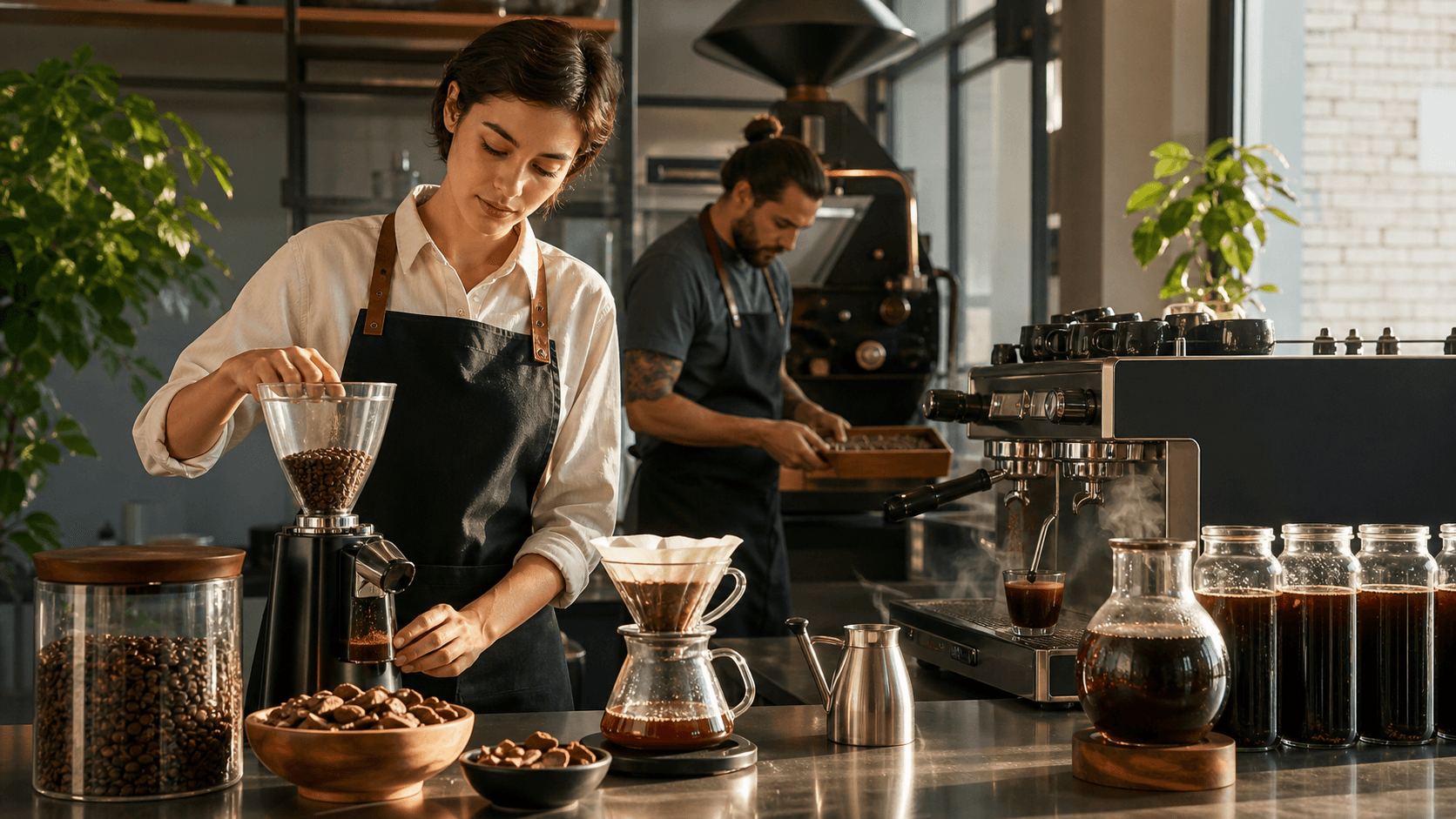
Then specialty coffee culture grew up. Roasters started caring about where beans came from and how they were grown. People began to talk about:
- Single‑origin beans from a specific farm or region
- Altitude and climate shaping sweetness and acidity
- Soil and variety adding fruit, floral, or chocolate notes
- Processing methods like washed, natural, or honey
For example, coffee from parts of Ethiopia often tastes bright and fruity, with berry or floral notes. Many Latin American coffees lean more toward chocolate, nuts, and caramel. Same plant family, very different cup.
Roast level also changes the experience:
- Light roast: brighter, higher acidity, more origin character
- Medium roast: balanced body, sweetness, and clarity
- Dark roast: heavier body, more roast flavor, less origin nuance
This shift made coffee more interesting and more transparent. It also made things harder for people who just want a daily cup that's reliable and great. Too many bags, too many notes, too many brewing rules. The goal now is to keep the quality and cut the confusion.
The Real Story of Mushrooms in Your Mug
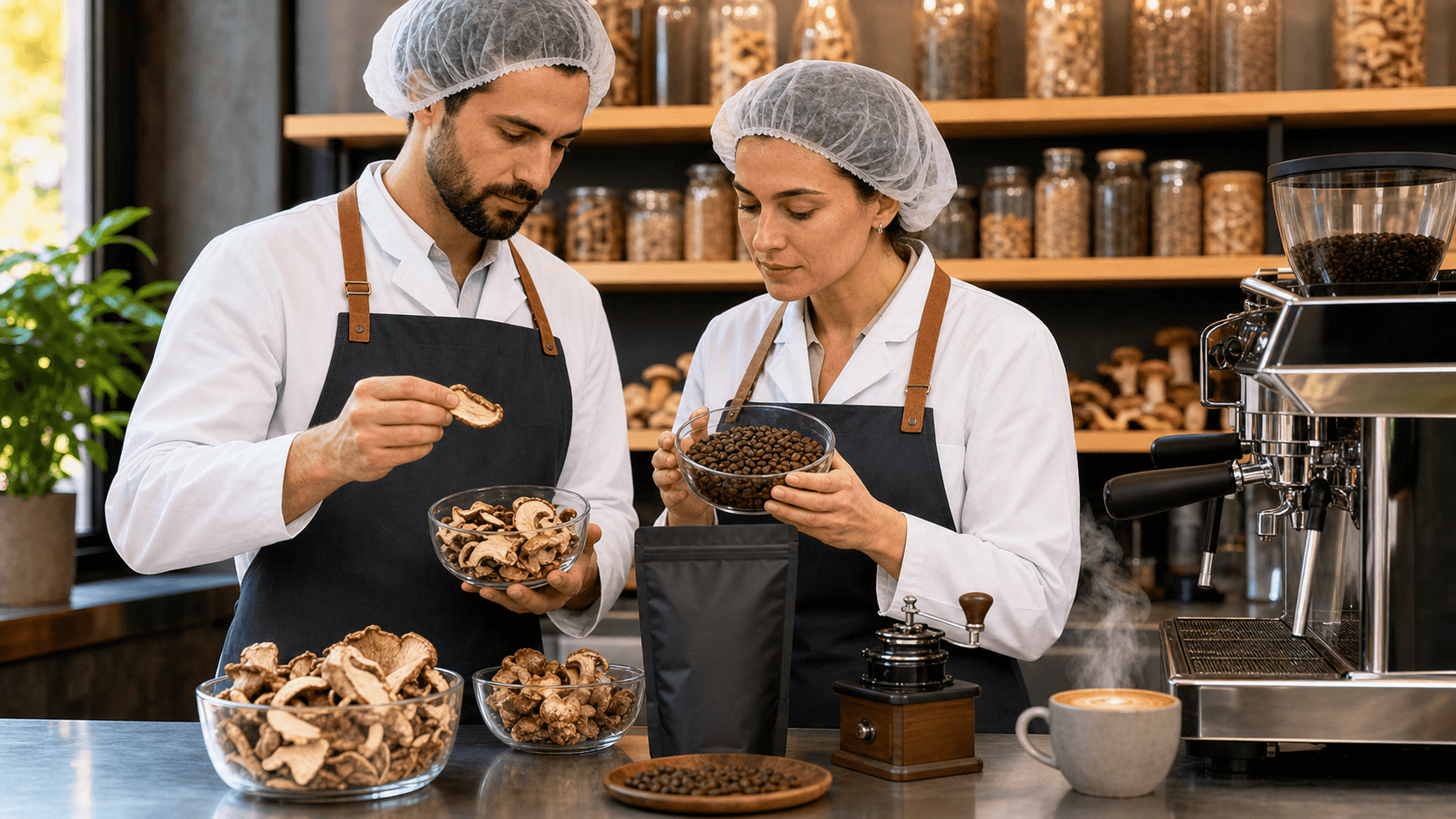
When we talk about mushrooms in coffee, we don't mean the ones you slice for dinner. Functional mushrooms are a different group. You may have heard of lion's mane, chaga, reishi, or cordyceps. These show up in long‑standing traditions around the world, where people have used them as part of daily tonics, broths, and drinks.
Modern mushroom coffee products try to blend that tradition with everyday caffeine. The catch is that a lot of them miss the mark on taste and on substance. Common issues:
- Instant coffee with a chalky texture
- Vague mushroom sourcing and blend details
- Trace‑level mushroom additions that mainly serve the label copy
- Heavy added flavors to mask bitterness or earthiness
Premium mushroom coffee aims higher. It starts with well‑sourced coffee, then adds mushroom extracts that are:
- Selected for a clear role in the blend, not at random
- Present in straightforward, transparent amounts
- Matched to the coffee origin and roast so the cup still drinks like coffee
Flavor comes first. When mushrooms are paired with the right coffee, you get a cup that still tastes like coffee, layered, sweet, and with a gentle earthiness that fits, instead of something that feels like a compromised health drink.
From Farm to Roaster to Grinder
Premium coffee starts far from your kitchen. On the farm, small choices add up:
- Picking cherries when they're actually ripe, not stripping the tree
- Sorting out defects so only sound beans are kept
- Choosing processing methods that suit the coffee, like washed for clarity or natural for fruitiness
Roasters then build on that work. Instead of roasting everything dark, they shape roast profiles to bring out sweetness, body, and clarity. The target is a cup you want to drink every day, not just something that shocks you awake.
Whole‑bean coffee stays fresher because the bean acts like a tiny shell. Once coffee is ground, it has far more surface area, which means faster contact with oxygen and faster loss of aroma. As late spring shifts toward hot summer days, that staling speeds up in warm kitchens.
Mushroom extracts don't love air, light, or moisture either. Leaving them open to the elements can dull both flavor and character over time. Keeping coffee as whole beans and mushrooms as solid tablets helps protect both until the moment you grind.
The Science of Fresh Grinding with Functional Ingredients
Grinding is where the upside and the downside both live. When you grind, you create thousands of tiny coffee and mushroom particles. That:
- Boosts aroma release right away
- Increases surface area so water can pull out flavor and other compounds
- Speeds up staling if you wait too long to brew
Grinding coffee and mushroom tablets together right before brewing gives more even mixing. The grinder scatters the mushroom particles through the coffee grounds, so every scoop you brew stays consistent.
Fresh grinding also shifts how the cup drinks. You often notice:
- A fuller, smoother body
- Steadier flavor from first sip to last
- Mushroom notes that read as depth, not grit or sandiness
This isn't a fad. In specialty coffee, grinding right before brewing has been standard advice for years because it protects aroma and flavor. Applying the same logic to mushroom ingredients keeps the whole cup aligned.
Building a Morning Ritual That Actually Works for You
Morning routines don't need ten steps, ice baths, or perfect journaling. What helps most is a simple sequence you can repeat on busy weekdays and slow weekends.
A basic ritual with premium mushroom coffee can look like this:
- Measure your beans and mushroom tablets
- Grind right before brewing
- Brew with your go‑to method: drip, pour‑over, or French press
- Pause for 60 seconds before grabbing your phone; just breathe and sip
Different people will tweak this:
- Minimalist: One recipe, same grind, same ratio, no overthinking
- Tinkerer: Small changes in grind size and water ratio to dial in your preferred cup
- Slow‑morning person: Pour‑over on the porch as the air warms, letting that first cup set the tone
The aim isn't perfection. It's one clear, high‑quality choice instead of autopilot caffeine. Over time, that simple move can change the way your mornings unfold.
Upgrade Your Daily Cup with Premium Mushroom Coffee
To actually test premium mushroom coffee, give it a short trial window. Pick a roast that fits your taste, learn a basic brew ratio, and commit to grinding fresh for at least two weeks. Treat it like an experiment.
Use a setup that keeps things simple: whole beans plus a fixed mushroom portion that you grind together. You avoid measuring loose powders, juggling extra containers, or guessing at uneven scoops. You just add beans and tablets to your grinder, brew like normal, and pay attention.
Notice the aroma when you grind, the flavor in the cup, and how the entire ritual fits into your morning. That's the real upgrade: moving from a generic cup to a daily coffee that respects origin, roast, functional ingredients, and the way you actually live.
Experience Sharper Focus With Every Cup
Elevate your daily ritual with our carefully crafted premium mushroom coffee designed to support calm energy and clear thinking. At Bywaqa, we focus on quality ingredients so you can feel confident about what you are drinking every morning. If you have questions about which blend is right for you, simply contact us and we will help you get started.