How Much Coffee Effort Is Actually Worth It
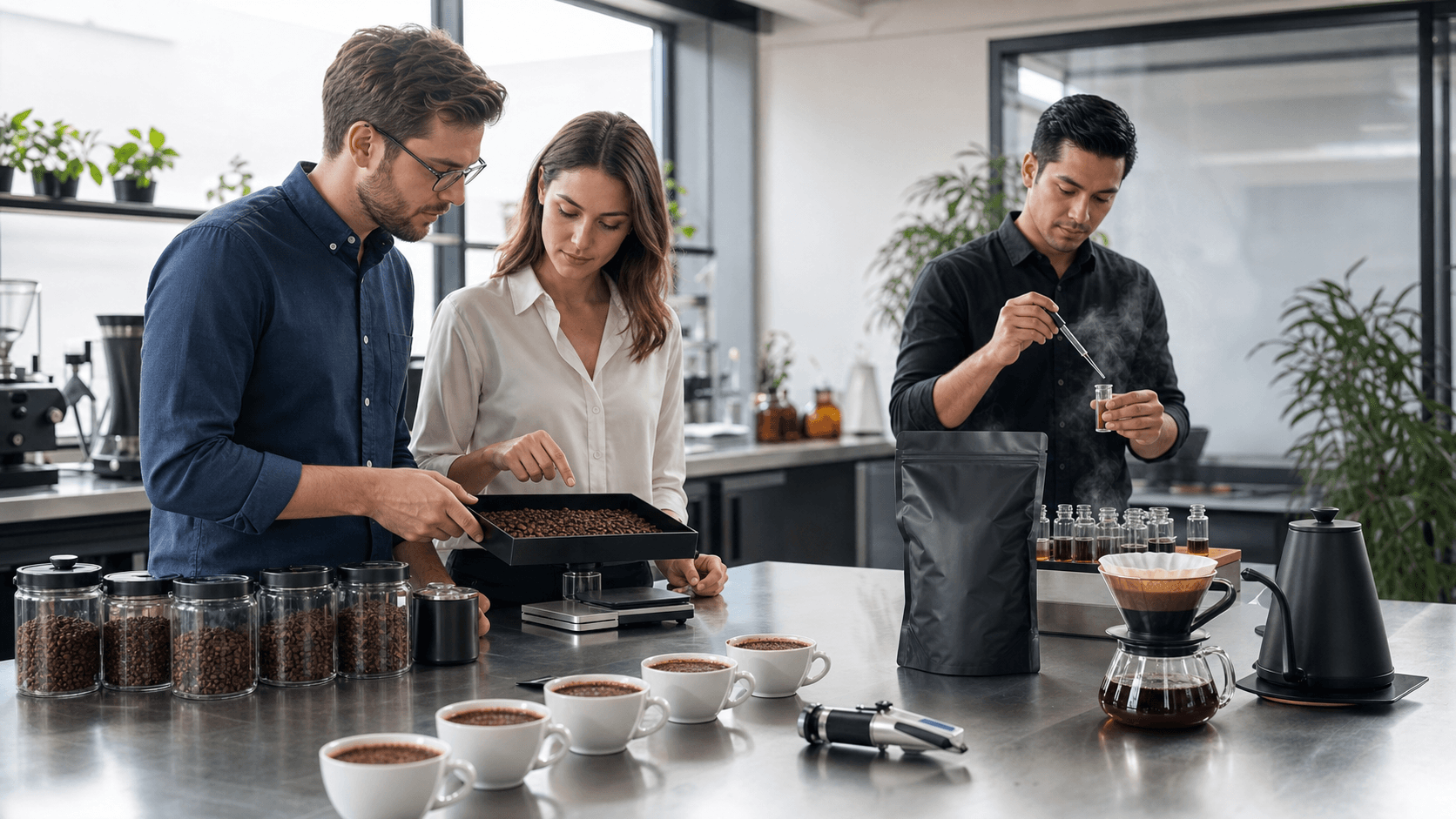
Good coffee should not feel like a part-time job. You want real flavor and ingredients you actually care about, without turning your kitchen into a cafe line. That balance between effort and reward is what matters most when we talk about whole bean mushroom coffee.
Here is what we are really comparing: a few ways to make whole bean mushroom coffee at home versus instant sticks, pods, and preground "functional" blends. Each one has a different cost in effort, time, mess, and gear. Some taste great, some taste like hot brown punishment.
To keep it simple, think of an effort vs reward score that includes:
- Taste and aroma
- Functional ingredients that actually belong in coffee
- Mess and cleanup
- Gear clutter
- Time to first sip
Late summer makes this choice louder. Mornings are hot, travel days are stacked, and back-to-routine hits hard. Some days you want a quick hit and zero thought. Other days you want a small ritual that pulls your brain out of sleep mode and into "let's go."
What Whole Bean Mushroom Coffee Workflow Really Means
When we say whole bean mushroom coffee, we are talking about two parts that work together: high-quality whole beans as the base, plus functional add-ons like mushrooms and other coffee-compatible botanicals. We keep the language honest here. These ingredients can be part of a focused, calmer-feeling morning routine for many people, but they are not magic spells.
There are two main ways brands handle this:
- Beans pre-infused or blended with mushroom or other functional powders
- A fresh-ground setup, where you grind your beans and pair them with separate, fresh-ground functional pieces
With a fresh-ground whole bean plus functional setup, your basic workflow looks like this:
- Grind whole beans
- Grind or drop in the separate functional piece
- Brew with your normal method
- Combine, sip, get moving
Notice what does not change. Your kettle, water, mug, and basic brew gear work just like they always have. You are not learning coffee from scratch, you are just adding one small step that respects taste and ingredients at the same time.
Grinder Types Ranked by Time, Mess, and Payoff
Your grinder is the first fork in the road. It decides how much effort you spend before you even heat water.
Manual hand grinders:
- Pros: cheapest way into whole bean, super portable, good for small apartments or shared spaces, and quiet for early mornings
- Cons: about 1 to 3 minutes of cranking per cup, plus a mini arm workout, especially if you brew for more than one person
Hand grinders fit people who like the ritual and do not mind "earning" that better flavor and smoother mushroom blend with a little manual work.
Entry-level electric grinders, both blade and basic burr:
- Pros: fast, usually 10 to 30 seconds, low effort, and easy to keep on the counter for daily use
- Cons: more noise, some grind inconsistency, and a bit of cable clutter on your already busy counter
These fit busy professionals, parents, and anyone who wakes up thinking "I want this done in under 3 minutes, but I still care how it tastes."
High-end burr grinders:
- Pros: very consistent grind size for pour-over, espresso, or cold brew, and they really show off good beans and balanced mushroom blends
- Cons: larger, heavier, more cleaning, and kind of overkill if you only ever dump grounds into a basic drip basket
High-end burrs fit coffee nerds, espresso fans, and anyone who already obsesses over grind size and does not want functional ingredients to get in the way of that work.
Brew Methods Compared by Time Cost and Flavor Payoff
Once the beans and functional pieces are ground, brew style is your next choice. This is where your morning can feel either fast and easy or slow and meditative.
Drip machines and auto brewers:
- Time: 4 to 8 minutes, but most of that is hands-off, you grind, load, press start, and walk away
- Reward: steady, repeatable flavor, great for sliding whole bean mushroom coffee into the routine you already have
Drip is perfect for weekday workhorse coffee, brewing multiple mugs, and anyone who wants reliability over tinkering.
Pour-over and manual brewers like V60, Chemex, or Kalita:
- Time: about 5 to 7 minutes of focused attention, with blooming and timed pours
- Reward: clean, clear flavor that lets you actually notice how the beans and functional blend interact
This is ideal for weekend coffee rituals, slow summer mornings when the sun is already hot, and people who treat coffee like a fun hobby, not just a fuel.
French press and other immersion brewers:
- Time: about 1 minute of prep plus around 4 minutes of steeping
- Reward: heavy body and bold flavor that matches well with earthier mushroom notes without tasting like mud
These fit people who want strong, straightforward cups with minimal gear and brainpower.
Cold brew and iced workflows for late summer:
- Time: 5 minutes of prep, then 8 to 16 hours of passive steeping in the fridge
- Reward: smooth, low-acid coffee that works really well with functional ingredients and hot August mornings
Cold brew shines when you want to prep a big batch for the week and just pour and go each day.
Whole Bean Mushroom Coffee vs. Instant and Pods
So how does all that compare to instant sticks and pods?
Taste and experience:
- Whole bean mushroom coffee, when brewed decently, gives you fresh aromatics and layered flavor, with less of that chalky, dusty mushroom thing so many people hate
- Instant and pods are fast and predictable, but often taste flatter or more generic, especially once extra powders get mixed in
Ingredients and control:
- With whole bean, you decide roast level, origin style, and which functional add-ons fit your routine, and it is easier to avoid extra sweeteners and unnecessary fillers
- With instant or pods, you are locked into whatever blend someone decided was "one size fits all," often with more processing to keep it shelf stable
Time and friction:
- Whole bean takes around 3 to 8 minutes, depending on gear, with some noise and a bit of cleanup
- Instant and pods take 30 to 90 seconds, almost no mess, and they are friendly to half-asleep brains
Who might lean on instant or pods?
- People who only care about caffeine and pure convenience
- Travelers stuck with a hotel room, office kitchen, or no grinder and no real kettle
- Parents in survival mode or anyone with a brutal early commute where even a hand grinder feels like too much
Who Should Go All in on Whole Bean Coffee, Who Shouldn't
Whole bean is worth the effort if:
- You already grind or brew at home and want functional ingredients without wrecking flavor
- You enjoy a short, 5-minute ritual that makes the rest of the day feel more intentional
- You are picky about beans, roast, and grind size, and you are tired of mushroom coffee that tastes like punishment
You are better off with instant, pods, or preground if:
- Every extra step between bed and coffee feels annoying
- You travel all the time, share a tiny kitchen, or cannot keep gear out on the counter
- Your schedule is chaotic enough that consistency beats quality for now
To test your best workflow this week, run two small experiments. On a weekday, time your current routine, then switch one thing, like using fresh-ground whole beans, trying a basic electric grinder, or adding a separate functional component to your normal brew. Notice if the extra minute feels worth the payoff.
On a weekend or slower morning, try a more intentional method like pour-over, French press, or prepping a batch of cold brew the night before. Pay attention to how the ritual itself changes your headspace, not just the caffeine hit. From there, you can decide if your baseline should be whole bean mushroom coffee with a grinder you actually like using, or a no-guilt instant or pod setup that fits your real life right now.
Elevate Your Daily Ritual With Smarter Coffee Choices
Experience the difference that thoughtfully crafted whole bean mushroom coffee can make in your morning routine. At Bywaqa, we pair quality beans with practical tools so you can customize every cup to your taste and wellness goals. If you have questions about which grind or brew method is right for you, feel free to contact us.