Stop Guessing What Your Coffee Is Actually Doing
Premium functional coffee should not feel like a gamble. Long summer days, late dinners, weekend trips, and extra social time all pull on your energy. When that hits, it is easy to lean on random iced lattes, sugary bottled drinks, and whatever cold brew is closest to the checkout line.
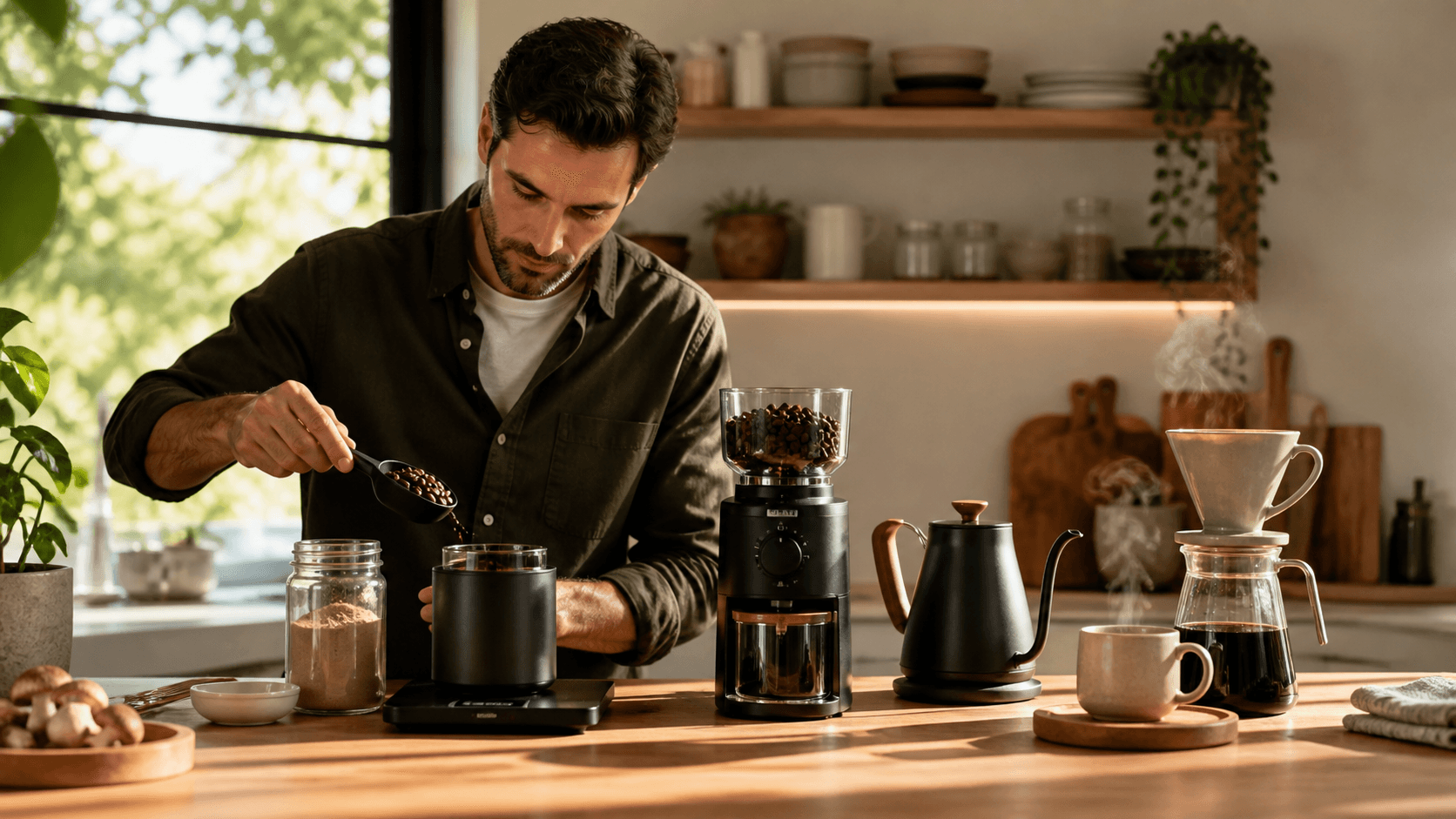
That quick fix usually comes with a crash, jitters, or a wired feeling. Premium functional coffee can be a more considered daily ritual instead of a Band-Aid. The trick is knowing how to judge what is in the bag, beyond pretty packaging and big claims. Here, we are walking through how to look at bean grade, functional ingredients, lab testing, and flavor in a simple, no-nonsense way. At Bywaqa, we build our coffee around whole-bean Arabica and separate mushroom and adaptogen tablets you grind together for a focused, steady experience, but this guide will help you judge any premium functional coffee you are thinking about trying.
How to Tell If Coffee Is Actually Premium
When a bag says "premium," it should mean real quality, not just a fancy label. At its core, premium coffee is about:
- High-grade Arabica beans
- Traceable origin or region
- A thoughtful roast level
- Freshness and whole beans, not mystery pre-ground
Arabica beans usually bring smoother taste, more nuance, and less harsh bitterness than basic commodity blends. Inside the industry, "specialty" grade means beans have fewer defects like chips, moldy spots, or insect damage. Defects might sound nerdy, but they matter. They can:
- Make flavor muddy or sharp
- Create cups that feel inconsistent day to day
You do not have to be a pro taster to spot quality signs.
- Whole bean instead of only pre-ground options
- A clear roast date, not just "best by"
- Origin details, even if it is a region instead of one single farm
- Straightforward wording, not just "gourmet blend" with no specifics
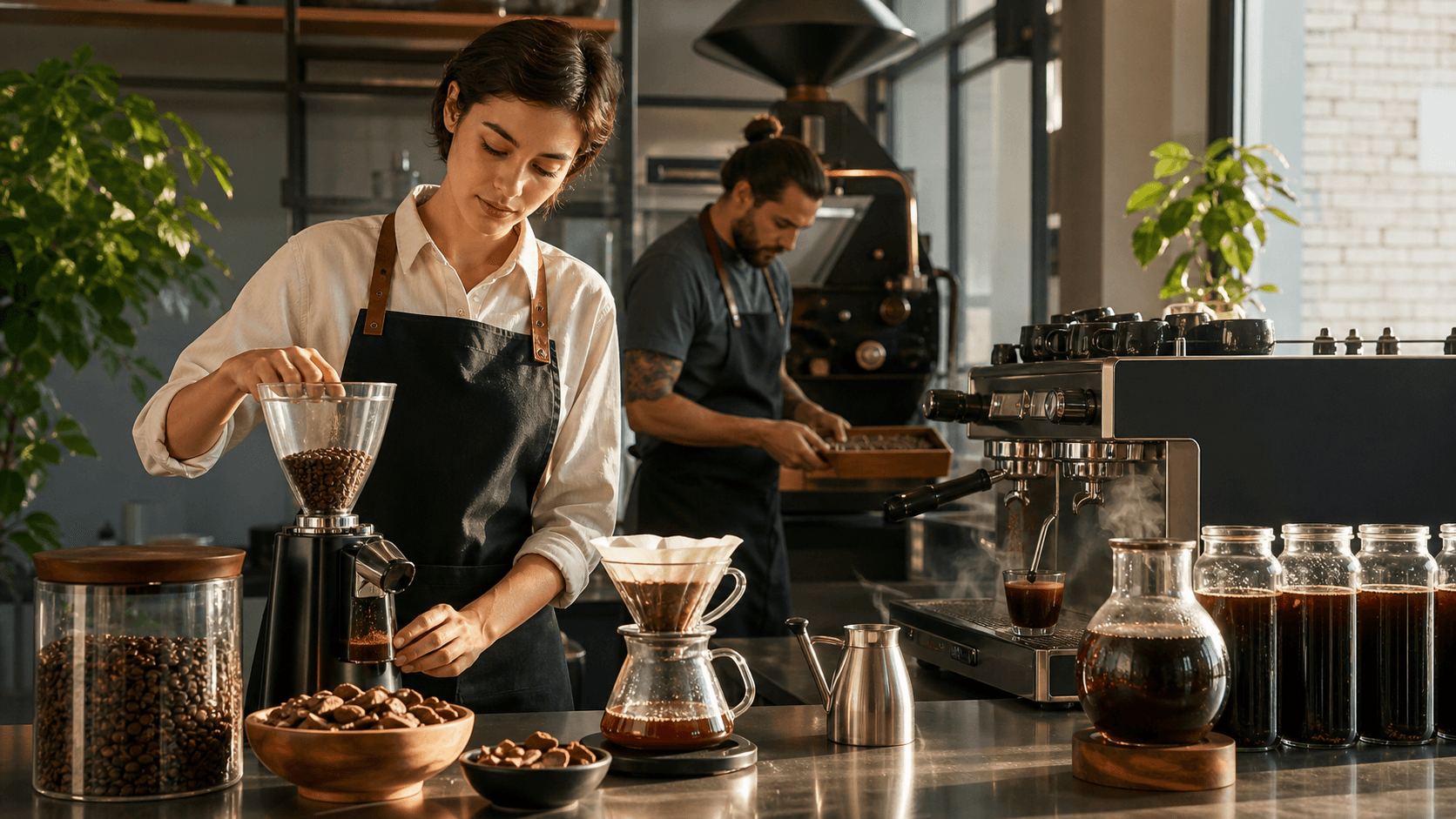
In hot weather, quality becomes even more obvious. Cold brew, iced pour-over, and iced Americanos stretch flavor over ice and time. Lower-grade beans often turn flat, bitter, or sour when chilled. Higher-quality beans keep their sweetness, balance, and aroma, so your iced coffee tastes like something you actually want to sip, not slam just for caffeine.
Getting Real About Functional Ingredients and Dose
Functional coffee is simple at its core: coffee plus ingredients that are studied for how they may support things like energy, focus, or how you respond to everyday stressors. That can include mushrooms or adaptogens. What it should not be is magic dust or big promises.
The key piece is dose. A big ingredient list with tiny "fairy dust" amounts does not do much. When you look at any functional coffee, scan for:
- Clear milligram (mg) amounts per serving
- Simple, readable ingredient names
- No mystery "proprietary blend" that hides what you are getting
- Serving size that makes sense with how you actually drink coffee
Some common functional ingredients you might see:
- Lion's mane, often used in products geared around focus and mental clarity
- Cordyceps, often used in formulas centered on physical output and stamina-style support
- Reishi, often linked with taking the edge off and overall balance in traditional use
- Ashwagandha, often tied to stress support and a more even-keel feeling in daily life
These can play well with caffeine when used in thoughtful amounts. Too much of everything at once can feel like stacking random energy drinks on top of espresso. The aim is a steady, manageable effect, not overload.
At Bywaqa, we keep the coffee and the functional pieces separate but meant to be used together: whole-bean Arabica plus mushroom and adaptogen tablets that you grind with the beans. That gives more control over:
- Dose, by choosing how many tablets you grind
- Consistency, because each serving is measured
- Flavor, since we do not have to hide mediocre beans behind strong powders
The format matters almost as much as the ingredient list.
Lab Testing, Safety, and Clarity
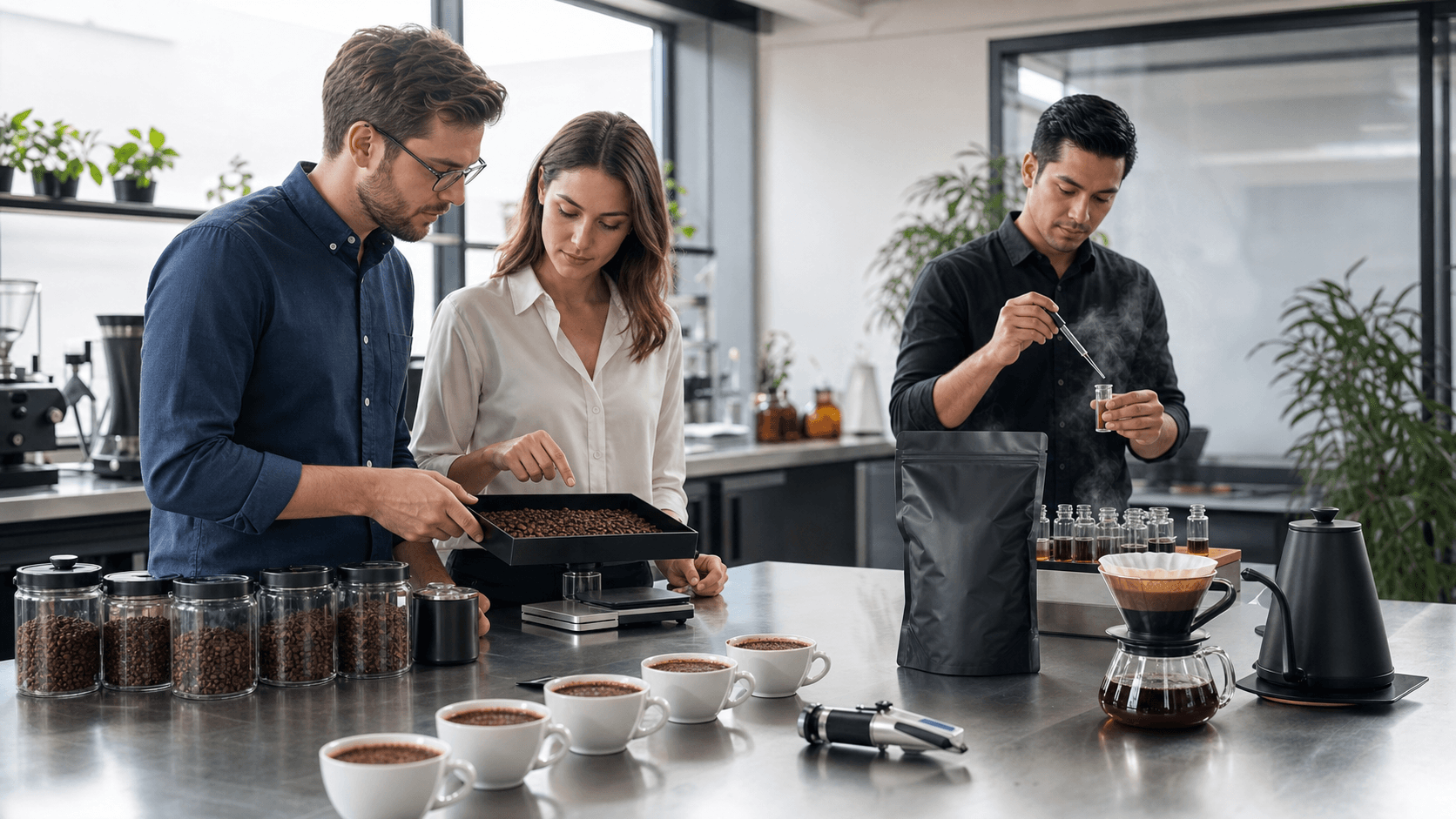
Coffee and functional ingredients come from plants and fungi grown in real soil, with real farming conditions. That is exactly why lab testing matters. It is not about fear, it is about clear information. Without testing, it is hard to know what else might be riding along in your daily cup.
When you look at a premium functional coffee, watch for cues like:
- Third-party lab testing, not just internal checks
- Mention of tests for purity and potency
- Batch or lot numbers that match test results
- A way to see a Certificate of Analysis, or at least a summary
Also remember, "natural" does not automatically equal "clean" or "high-quality." Plenty of natural things can carry heavy metals, pesticide residue, or fillers if they are not sourced and tested with care. Lab testing backs up quality claims so you are not just trusting a label.
Many people know the jittery-then-crash pattern from random canned coffees, sugar-heavy drinks, or "energy blends" stacked with harsh stimulants. Coffee plus thoughtfully dosed functional ingredients, backed by testing, aims for something more even and predictable that fits into real life, commuting, work, parenting, or summer hikes, without feeling like you overdid it.
Flavor, Brew Method, and Daily Ritual
Premium functional coffee should taste like good coffee first. That means:
- Balanced flavor, not thin or burnt
- Pleasant aroma that makes you want to sip
- A clean finish, not a weird coating on your tongue
- No strong "mushroom soup" or fake vanilla blast
Roast level also plays a big role:
- Light roast: brighter, often more fruity or floral, great for pour-over
- Medium roast: balanced, crowd-pleasing, nice for drip or iced coffee
- Dark roast: bolder, more smoky, popular for espresso and iced Americanos
Summer shifts how many of us drink coffee. There is more:
- Cold brew in the fridge for quick pours
- Iced pour-over on slow mornings
- Iced Americanos for hot afternoons on the go
Choose beans that match how you actually brew. If you live somewhere warm or humid, like many of us do, iced coffee can become an all-day ritual, so flavor and feel in the cup matter even more.
Functional add-ons should be designed so they do not wreck taste. That can mean:
- Neutral-tasting tablets or powders
- Formats that grind with the beans instead of clumping in your mug
- Roast profiles picked to complement any earthy or nutty notes
As you experiment, keep it simple at first:
- Start with one brew method you know, like drip or French press
- Use the same coffee-to-water ratio for a week
- Adjust grind size slightly if it tastes too bitter or too sour
- Pay attention to both flavor and how your coffee routine fits your day over a few hours
Treat it like tuning a daily ritual, not chasing instant perfection.
How to Choose Your Premium Functional Coffee Today
To cut through loud marketing, use a quick checklist when you look at any premium functional coffee:
- Bean quality: whole-bean Arabica, clear region or origin, roast date
- Functional dose: stated mg amounts, no mystery blends, ingredients you recognize
- Lab transparency: third-party testing, batch info, access to results or summaries
- Flavor honesty: real tasting notes, not just buzzwords and hype
There are also a few common traps to skip:
- Vague claims like "doctor-formulated" with no names or credentials
- "Proprietary blend" labels with no amounts next to ingredients
- Big promises about mood, sleep, or specific health outcomes
- Overly glossy language that never talks about taste or roast
A simple way to start is to pick one premium functional coffee that checks your boxes, use it for about two weeks, and keep the rest of your routine stable. Keep your other caffeine sources steady, stick with one main brewing style, and notice what works for you. You are not hunting for miracles, just a more dialed-in daily coffee and a cup you actually enjoy drinking.
At Bywaqa, we built our approach around that idea: premium Arabica whole beans paired with functional mushroom and adaptogen tablets, designed to be ground fresh together so you get focused, steady buzz and rich flavor in one ritual. If you want to rethink your daily cup before summer is in full swing, this checklist gives you the clarity to choose what truly fits your life.
Experience Energy and Focus With Every Cup
If you are ready to upgrade your daily ritual, explore our premium functional coffee crafted to support focus, performance, and well-being. At Bywaqa, we prioritize clean ingredients and intentional blends so your coffee can work as hard as you do. Have questions about which option fits your routine best? Feel free to contact us and we will help you choose the right blend.